

One of the most common questions ecommerce managers ask when planning a product shoot is simple: how many images do we actually need per SKU?
The answer matters more than most brands realize. Too few images and you leave conversion on the table. Too many of the wrong type, and you waste production budget on assets nobody scrolls to. The goal is to hit the right number of the right images — and for footwear specifically, that number is more precise than you might think.
What the Data Says
Multiple studies on ecommerce conversion have found a consistent pattern: product pages with more images convert at higher rates, but the gains plateau after a certain point.
Research from Salsify found that product pages with six or more images outperform those with fewer. Shopify's own merchandising data suggests that the sweet spot for most product categories is five to eight images. For categories where the physical product has multiple functional surfaces — like footwear — the number skews toward the higher end of that range.
The reason is straightforward. Shoppers can't pick up your product. They can't turn it over in their hands. Your images have to do that job. Every angle you leave out is a question the buyer can't answer — and unanswered questions reduce purchase confidence.
For footwear specifically, the data is even more compelling. Shoes are three-dimensional products with functional details on every surface: the sole, the heel, the interior, the lacing system, and the materials. A buyer evaluating a $120 running shoe or a $300 boot wants to see all of it before committing.
The Standard Footwear Image Set
Based on what performs best across major footwear ecommerce sites, here is the image set that covers what buyers expect to see.
The Hero Shot
The hero shot is your primary image — the one that appears in search results, category pages, and ads. For footwear, this is typically a three-quarter profile view that shows the overall shape, colorway, and design. This single image does more work than any other asset on the page. It needs to be flawless.

The Lateral Profile
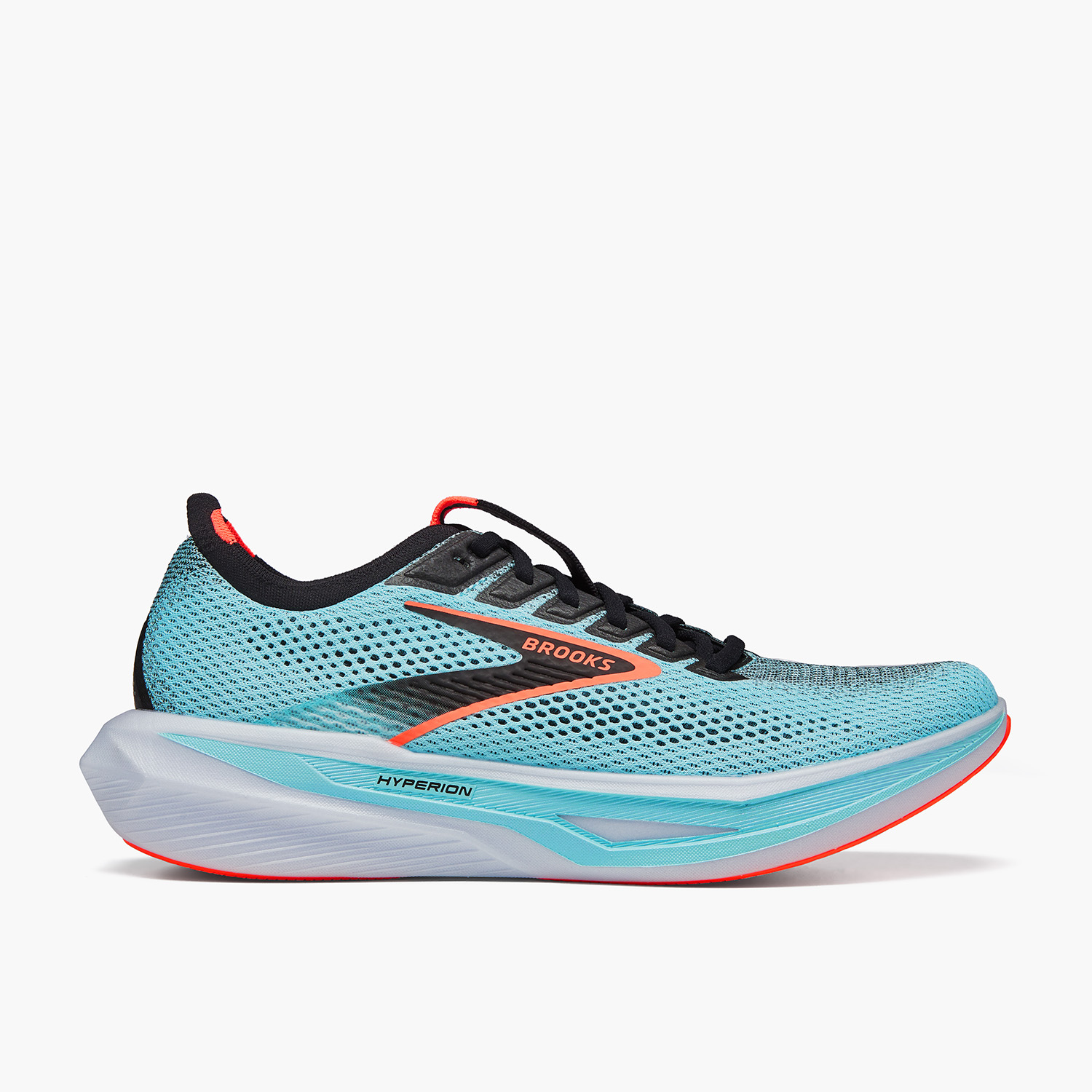
The lateral profile shows the shoe from the side. This is where buyers evaluate silhouette, proportions, and design language. Most footwear brands shoot both medial and lateral profiles, giving buyers a complete view of the shoe's shape from both sides.

The Back View
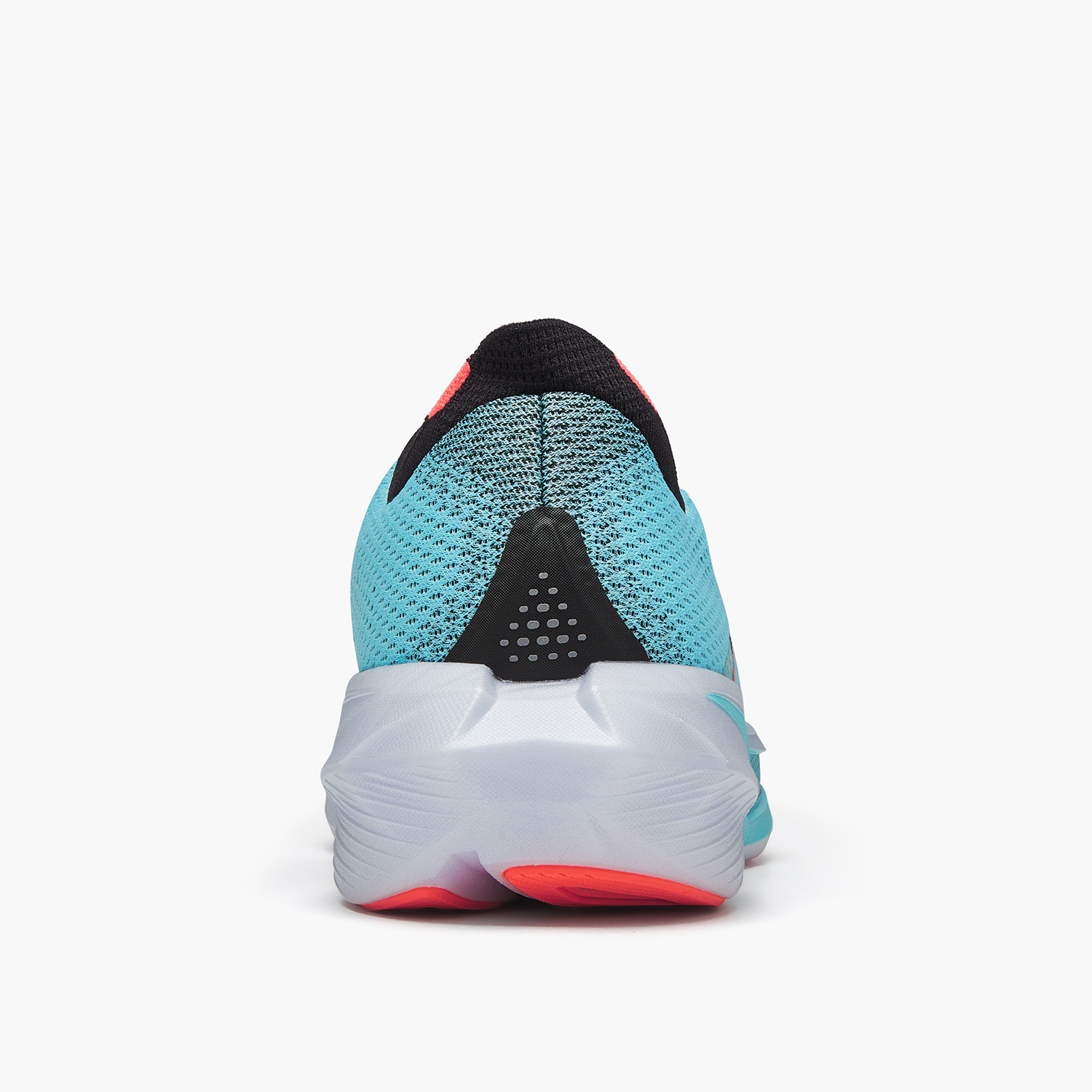
The back view reveals the heel construction, pull tabs, branding, and counter shape. For performance footwear, this angle also shows the midsole and outsole geometry from behind. Buyers use this image to assess build quality and detail.
The Top-Down View
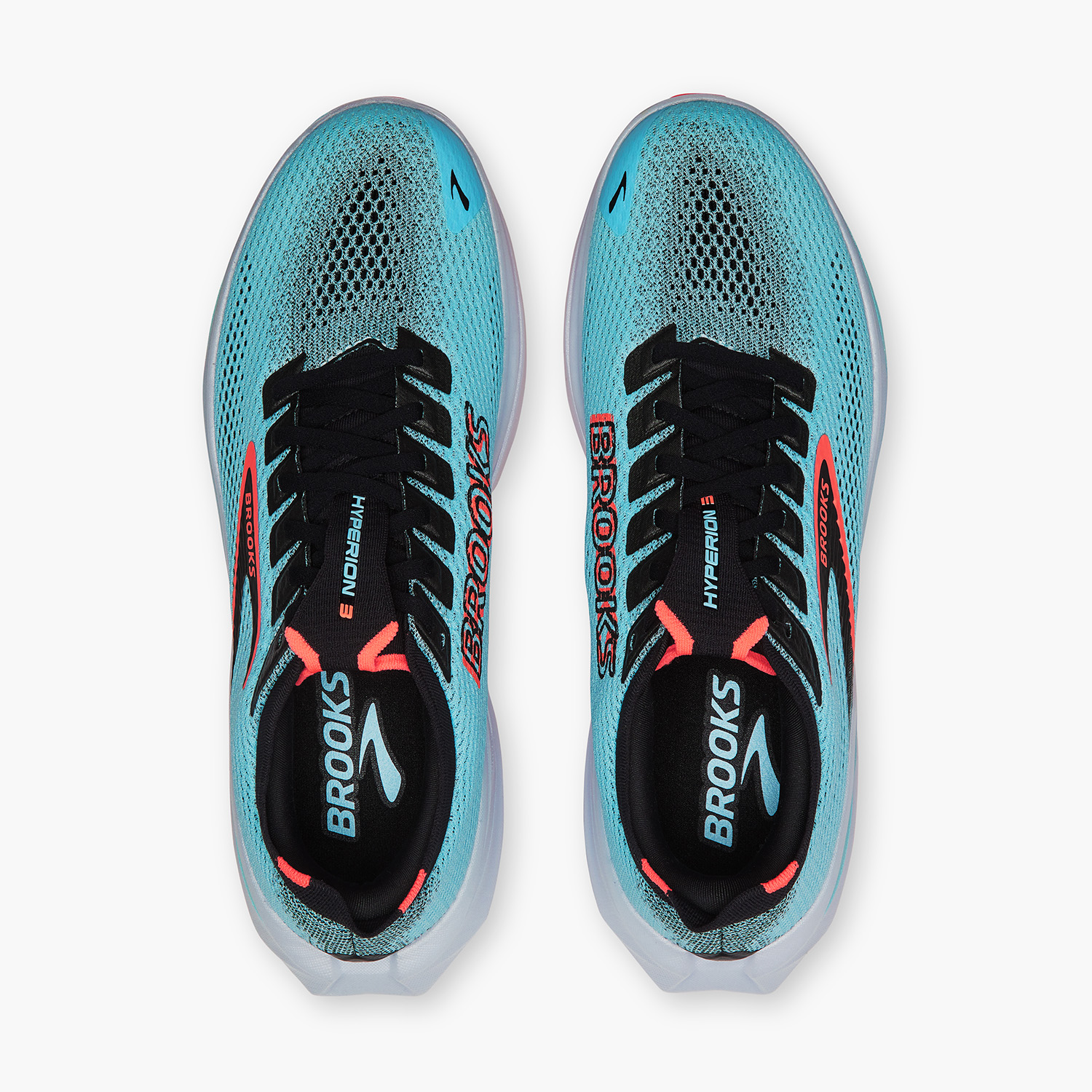
The top-down view shows the shoe from above — lacing, tongue, collar, and upper materials. This angle is particularly important for brands selling shoes where the upper pattern or material texture is a key selling point.
The Sole View
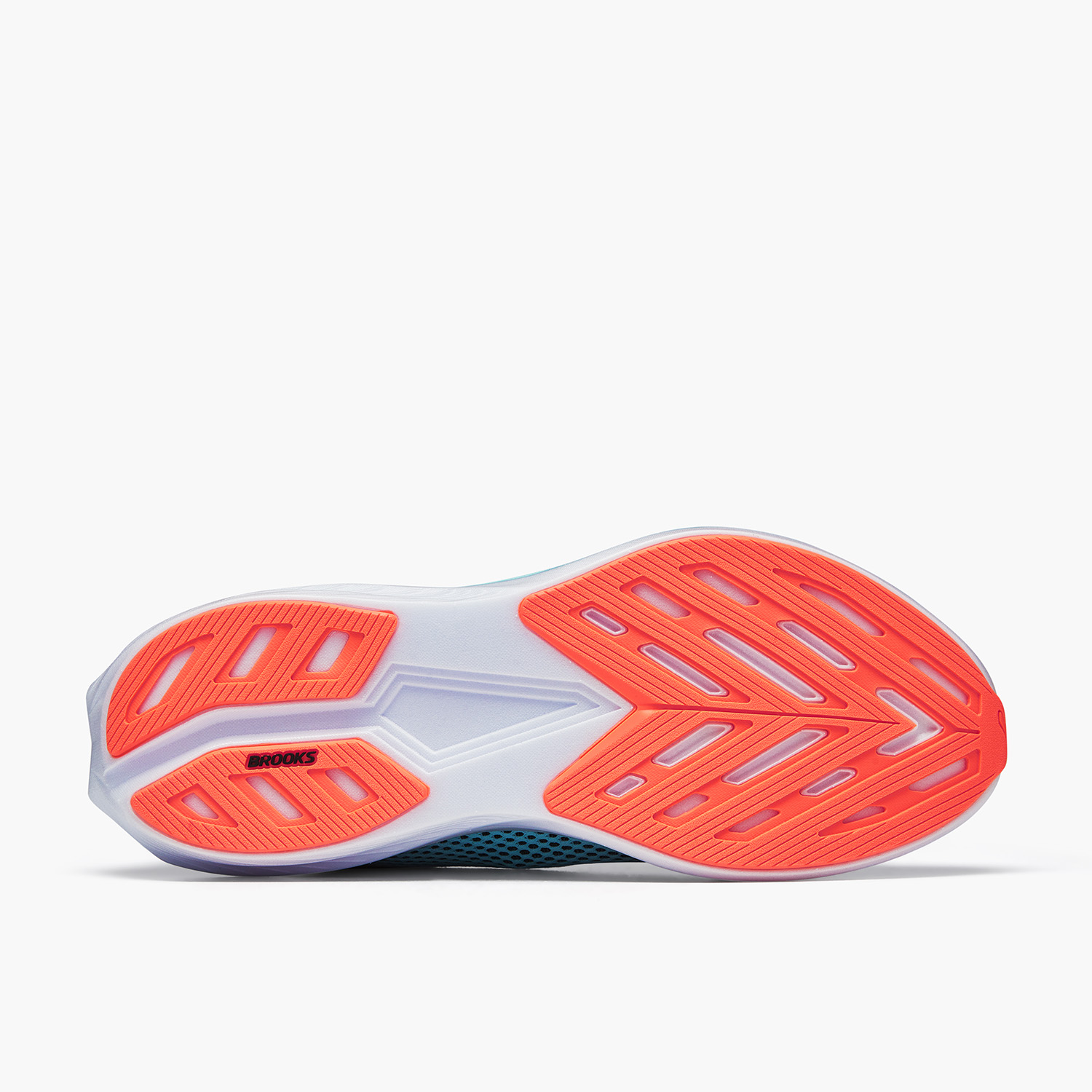
The sole view is one of the most underutilized angles in footwear ecommerce, and one of the most requested by buyers. The outsole pattern, material composition, and flex points matter to informed shoppers — especially in performance and outdoor categories. Brands that skip the sole shot are leaving information on the table.
Why Fewer Than Six Images Hurts Conversion
When a product page has only two or three images, buyers fill in the gaps with assumptions — and assumptions trend negatively. If they can't see the sole, they wonder about traction. If they can't see the back, they wonder about heel stability. Each missing angle introduces a micro-doubt. Individually, these doubts are small. Collectively, they push the buyer toward hesitation, and hesitation kills conversion.
The effect is measurable. A/B testing across ecommerce platforms consistently shows that adding images to product pages — up to the six-to-eight range — produces meaningful lifts in add-to-cart rate and reduces return rates. Buyers who see the product from every angle have more accurate expectations, which means fewer post-purchase surprises and, most importantly, fewer returns.
For footwear brands, returns are an especially expensive problem. Shoes get tried on, walked in, and scuffed. Returned footwear often can't be resold as new. Every return avoided by setting accurate expectations through better imagery saves real margin.
When You Need More Than Eight Images
Some product categories and sales channels demand more than the standard set.
Premium and luxury footwear benefits from additional detail shots that highlight craftsmanship — hand-stitched welt construction, leather grain close-ups, custom hardware. These images justify the price point and communicate the quality story.
Performance and technical footwear often warrants images that show the shoe in motion or highlight specific technologies — cushioning systems, waterproof membranes, support structures. These are still product images, but they serve a more educational function.
Marketplace requirements vary by platform. Amazon, for example, allows up to nine images per listing and recommends using all of them. Brands selling on multiple marketplaces often need a larger image set to fill every available slot across channels.
Wholesale and retail partnerships may have their own image specifications — specific angles, backgrounds, or compositions required for their catalogs or websites. Having a comprehensive image set from the start means you can fulfill these requests without reshooting.
The Real Question Isn't "How Many" — It's "How Do We Budget for This"
Here's where most footwear brands run into friction. They know they need six to eight images per SKU. They know the conversion data supports it. But when they start multiplying image count by per-image pricing, the budget math gets uncomfortable.
If you're paying a photographer $30 to $50 per image and you need seven images per SKU, you're at $210 to $350 per SKU. Add retouching at $10 to $20 per image and you're looking at $280 to $490 per SKU, fully loaded. For a brand shooting 500 SKUs per season, that's $140,000 to $245,000 — just for one product launch.
This is the structural problem with per-image pricing. It creates a direct conflict between what the data says you need and what your budget can support. Ecommerce managers end up cutting corners — shooting four angles instead of seven, skipping the sole shot, dropping detail images — not because those images don't matter, but because the pricing model punishes completeness.
The better pricing model for this problem is per-SKU pricing with all images included. When you pay a flat rate per SKU regardless of how many images are produced, the budget question disappears. You know exactly what each SKU costs. You get every angle the product page needs. And you never have to choose between conversion-optimized coverage and staying on budget.
How to Build Your Standard Image Set
If you're defining or refining your footwear image standards, here's a practical framework.
Start by auditing your current top-performing product pages. Look at which SKUs have the highest conversion rates and the lowest return rates. Chances are, those pages have more images and better angle coverage than your underperformers.
Next, define your standard angle set — the images every SKU gets, no exceptions. For most footwear brands, this is: hero, lateral profile, medial profile, back, top-down, sole, and one to two detail shots. That's your baseline.
Then define your extended set for high-value SKUs or specific use cases. This might include additional detail shots, on-model imagery, or lifestyle context shots. Not every SKU needs these, but having them available for key products gives your merchandising team flexibility.
Finally, lock in a production process that can deliver this consistently across every SKU, every season, without variation. Consistency is just as important as completeness. A product page with seven images that all look slightly different in lighting and color is almost as bad as a page with only three images.
The Bottom Line
The data is clear: six to eight images per SKU is the target for footwear ecommerce. That image set should cover every surface and every feature a buyer would evaluate in person. Anything less leaves conversion on the table. Anything more should be driven by specific category or channel needs, not guesswork.
The challenge isn't knowing the right number — it's building a production process and cost structure that makes producing that number sustainable at scale, every season, without compromise.