

Not all product images are created equal. For footwear brands selling online, the specific angles you shoot determine how much information a buyer gets before making a purchase decision, and how confident they feel clicking "add to cart."
Most ecommerce managers know they need multiple images per SKU. Fewer know exactly which angles matter most, why each one exists, and what happens to conversion when any of them are missing.
Here are the five angles every footwear SKU needs, in order of importance.
1. The Three-Quarter Hero
This is your primary image. It's the shot that appears in search results, category grids, paid ads, and email campaigns. It does more commercial work than every other image on the page combined.
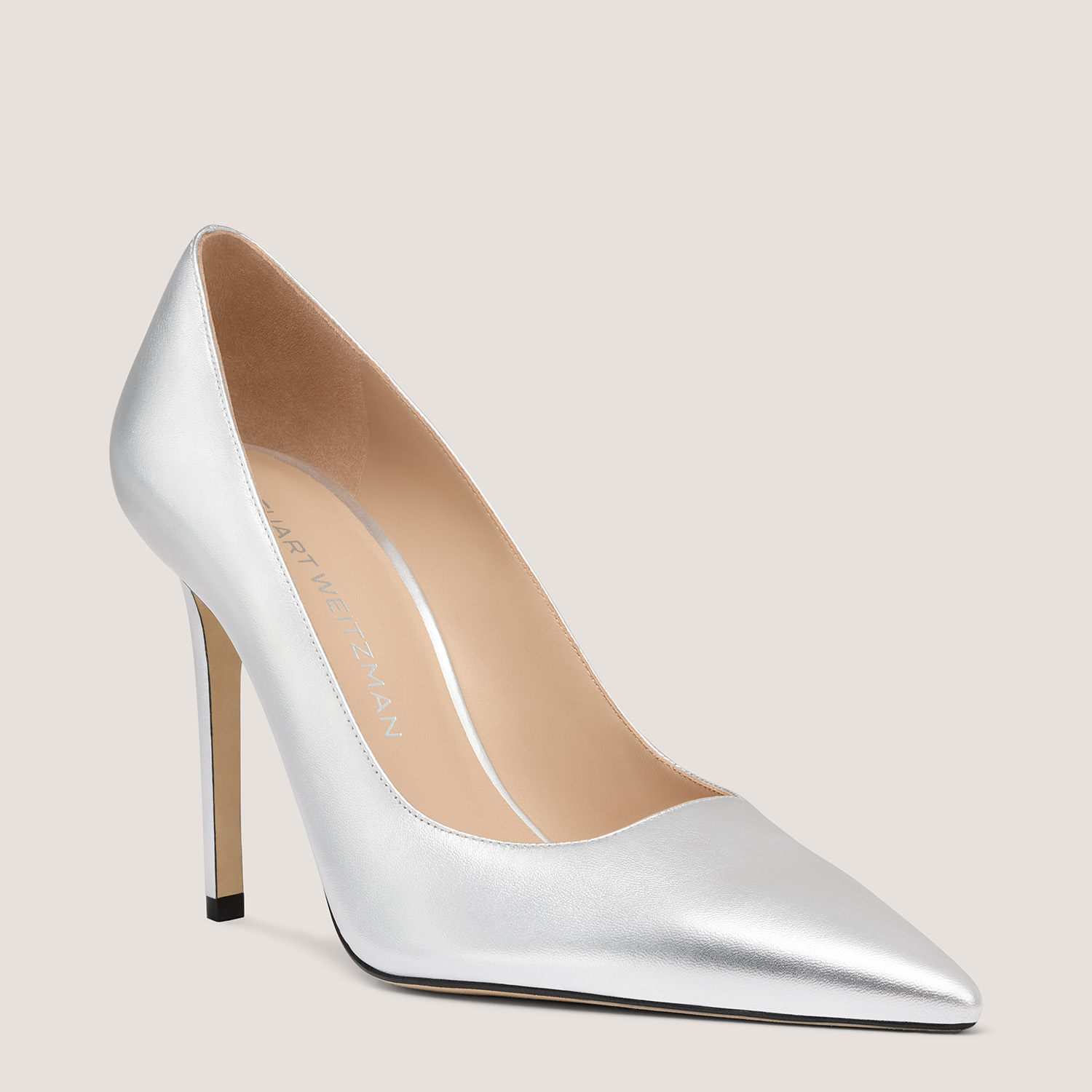
The three-quarter hero shows the shoe from a front-angled perspective, roughly 45 degrees from center, capturing the overall silhouette, the colorway, the toe box shape, and enough of the lateral side to communicate design intent. It gives the buyer a sense of the shoe as a complete object in a single frame.
The reason this angle works better than a straight-on profile is dimensionality. A flat side view makes a shoe look like a cutout. A three-quarter view gives it depth, shape, and presence. It's the closest a photograph can get to replicating how you'd see a shoe sitting on a shelf in front of you.
This image needs to be technically perfect. Lighting should be even and clean. The background should be pure white or whatever your brand standard requires. Color accuracy is critical: if the shoe reads differently on screen than it does in person, you'll pay for it in returns. The hero image sets the buyer's expectation for the entire product, so it has to be right.
Every major footwear retailer, from Nike to Zappos to SSENSE, leads with some version of the three-quarter hero. It's the industry standard for a reason.
2. The Lateral Profile
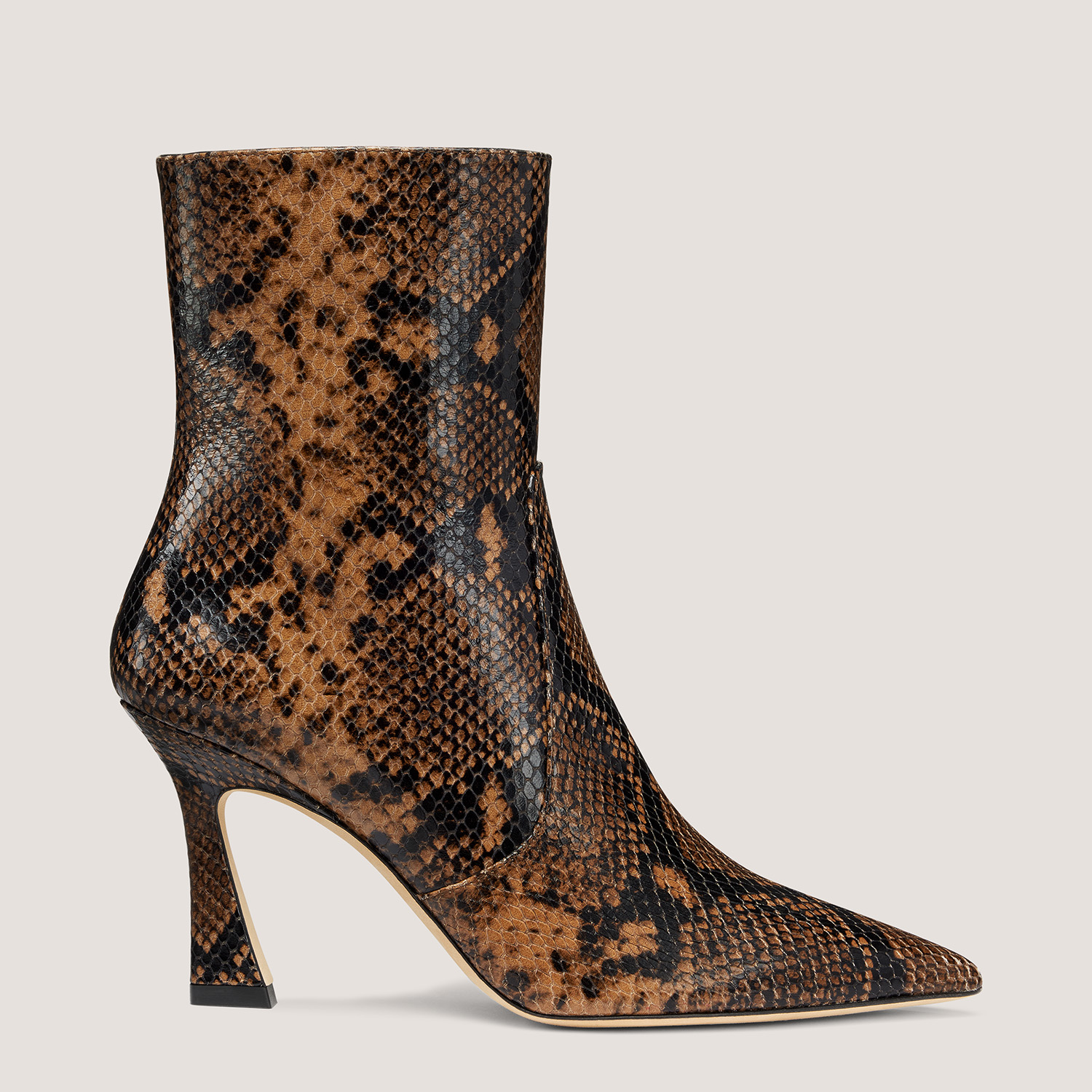
The lateral profile is a straight-on side view showing the full length of the shoe from heel to toe. This is where buyers evaluate proportions, midsole height, heel drop, and overall design language.
For performance footwear, the lateral profile communicates stack height, cushioning geometry, and the relationship between the upper and the sole unit. For lifestyle and fashion footwear, it reveals the silhouette, which is the single most important aesthetic characteristic of any shoe.
This angle also serves a practical function for buyers comparing products. When someone is deciding between two running shoes or two boots, they often compare lateral profiles side by side. If your lateral shot is inconsistent in framing, angle, or lighting compared to a competitor's clean image, you lose that comparison before it starts.
Some brands shoot both medial (inside) and lateral (outside) profiles. If you have the budget for both (or if you get unlimited images for one low price!), the additional view is worthwhile, especially for shoes with asymmetric designs or branding that only appears on one side. But if you're choosing one, the lateral profile is the standard.
3. The Back View
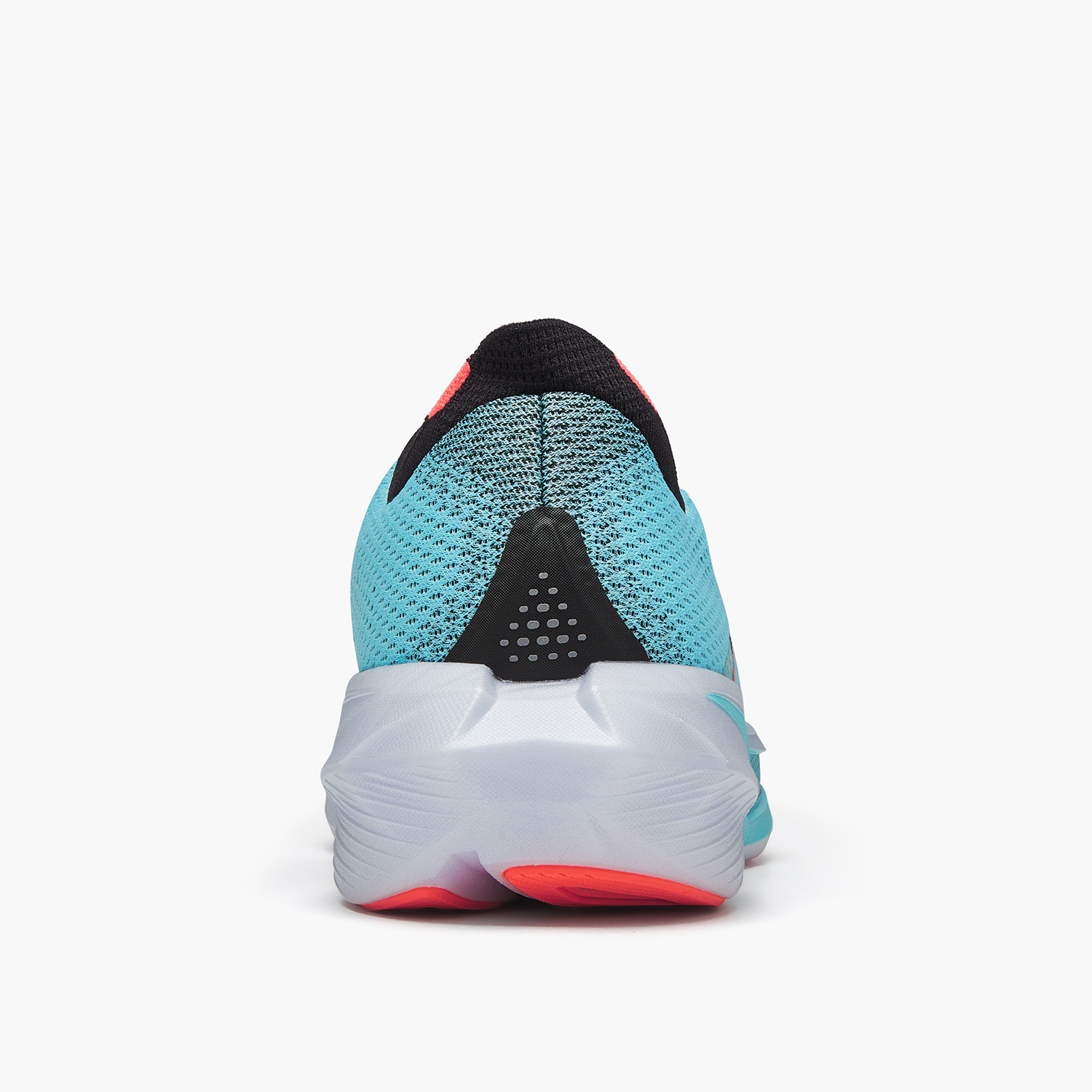
The back view is undervalued by many brands but highly informative for buyers. It shows heel construction, pull tabs, rear branding, the counter shape, and how the midsole wraps around the heel on performance shoes.
This angle answers questions buyers don't always consciously ask, but that influence their perception of quality. A well-constructed heel with clean stitching, properly aligned branding, and a solid counter communicates craftsmanship. A sloppy back view with uneven stitching, misaligned logos, or visible glue signals the opposite.
For boots and high-top footwear, the back view is even more important. It reveals the shaft shape, the height of the collar, and how the shoe will look from behind when worn. Buyers making a significant purchase want to know what the shoe looks like from every direction, not just the angles that flatter it most.
The back view also plays a role in reducing returns. When a buyer receives a shoe and the back looks different from what they expected (a pull tab they didn't know was there, a heel shape that doesn't match their assumption), that's a potential return. Reducing returns should be valued almost as highly as making a sale, and if one image can reduce returns, it's worth it. Showing the back view up front eliminates that surprise.
4. The Top-Down View
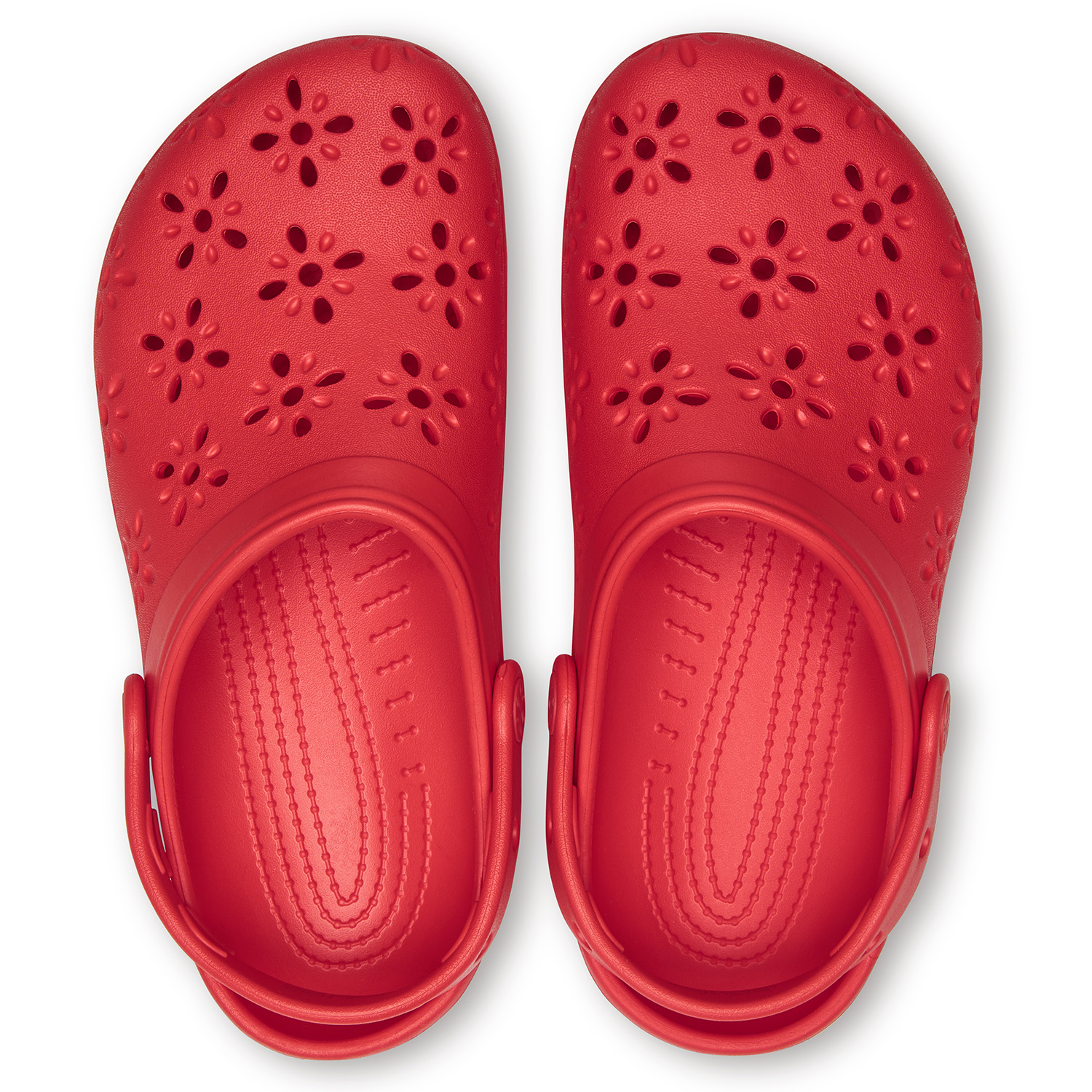
The top-down angle shows the shoe from directly above, revealing the lacing system, tongue, collar opening, and upper construction. For footwear with patterned or textured uppers like knit sneakers, woven materials, or embossed leather, this is often the most visually compelling angle on the page.
This view serves a specific purpose that no other angle covers: it shows what the shoe looks like when the buyer looks down at their own feet. That's a perspective people experience every time they wear shoes, and it's remarkably underrepresented in product photography.
The top-down view also communicates fit information. The width of the collar opening, the padding around the tongue, and the lacing structure all give buyers clues about how the shoe will feel on their foot. For buyers who've been burned by shoes that looked great from the side but felt wrong on foot, this image provides reassurance.
For brands selling shoes with distinctive upper details like color-blocking, printed insoles visible through the collar, or unique lacing hardware, the top-down shot is where those features get their moment. Skipping it means those design investments go unseen.
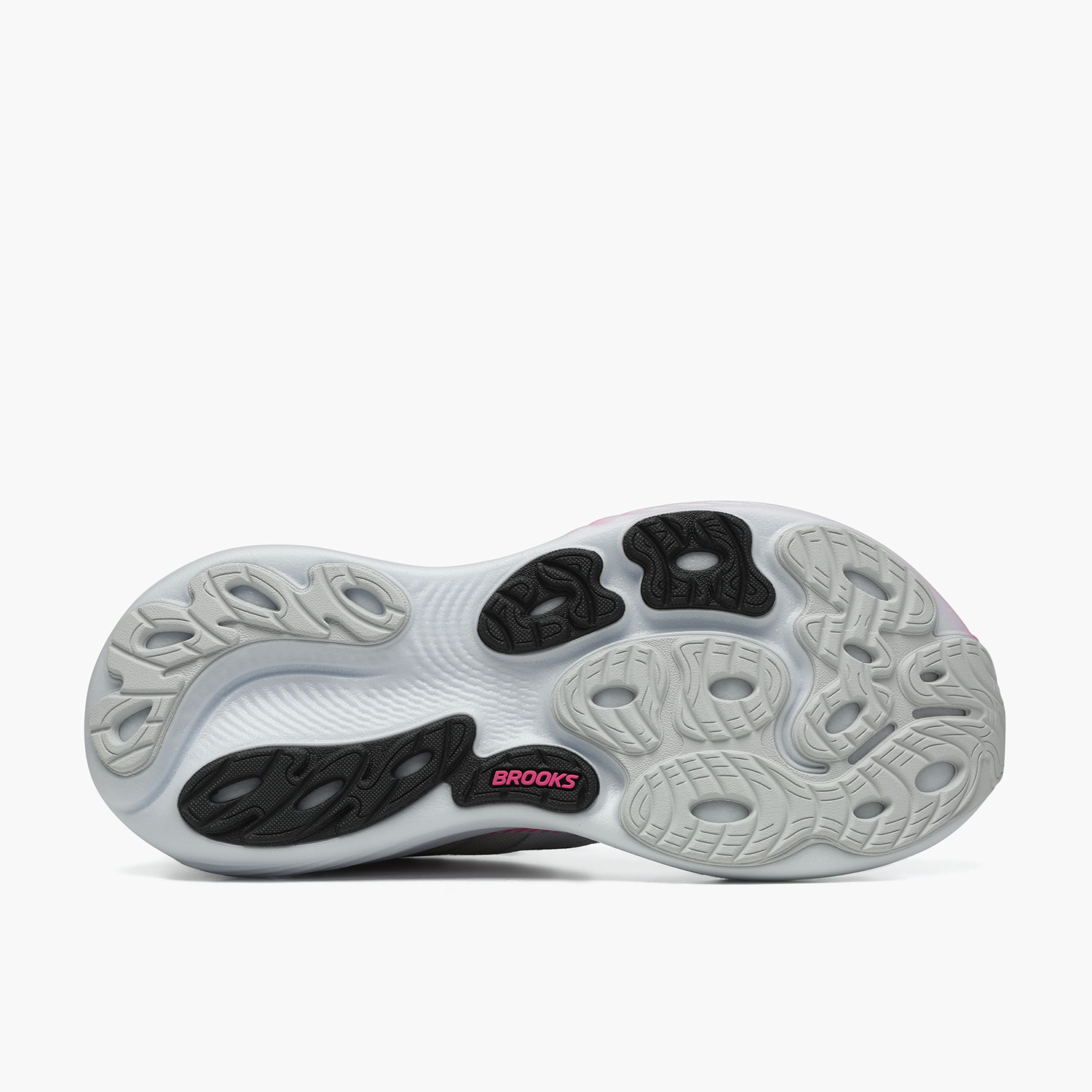
5. The Sole View
The sole view is the angle that most footwear brands skip, and the one that informed buyers specifically look for.
The outsole tells a story about the shoe's intended use, durability, and construction quality. Tread patterns, rubber compounds, flex grooves, and heel geometry all communicate functional information that performance-oriented buyers actively seek. Even in lifestyle categories, the sole view reveals construction details (cemented vs. stitched, rubber vs. foam, flat vs. contoured) that influence perceived value.
For outdoor and athletic footwear, the sole view is non-negotiable. A trail runner without a sole image is missing the single most important functional detail for its target buyer. A hiking boot without a visible lug pattern leaves the buyer guessing about traction. These aren't optional details in categories where sole performance is a primary purchase driver.
Even for casual and fashion footwear, the sole view adds value. It shows whether the sole is leather or rubber, reveals branding details, and communicates quality signals that buyers use to justify price. A $200 shoe with a well-engineered sole looks like a $200 shoe. Without the sole image, the buyer has to take that on faith.
The reason most brands skip this angle is production friction. It requires a different setup than profile and hero shots and adds time to the shoot. But the conversion value of including it, especially for categories where sole performance matters, consistently outweighs the marginal production cost.
Bonus: Detail Shots
Beyond the five essential angles, one to two detail shots per SKU round out a complete product page. These close-up images highlight specific features: stitching quality, material texture, hardware, logo placement, or unique construction elements.
Detail shots serve a different psychological function than full-product angles. Where the hero and profile shots answer "what does this shoe look like," detail shots answer "what is this shoe made of and how well is it made." They're the images that help a buyer justify a premium price or feel confident about durability.
The most effective detail shots focus on the features that differentiate the product: a unique outsole compound, hand-stitched welting, a proprietary cushioning system, or premium leather grain. Generic detail shots of unremarkable features don't add value. The goal is to highlight what makes this specific SKU worth buying.
Why Standardizing Your Angle Set Matters
Having these five angles defined as your brand standard does something beyond improving individual product pages. It creates visual consistency across your entire catalog.
When every SKU on your site is shot from the same angles, with the same lighting, in the same sequence, the browsing experience feels cohesive and professional. Category pages look unified. Comparison shopping within your own site becomes seamless. The brand perception shifts from "a collection of individual products" to "a curated catalog from a serious brand."
Consistency also simplifies production planning. When your angle set is locked, there's no ambiguity about what needs to be shot for each SKU. Your photographer, or your production partner, knows exactly what to deliver. Your ecommerce team knows exactly what to expect. The entire pipeline becomes faster and more predictable.
The brands that win in ecommerce aren't necessarily the ones with the most creative photography. They're the ones with the most consistent, complete, and conversion-optimized imagery across every single SKU. That starts with defining the right angles and never compromising on them.